Bright Screens, Dark Rooms: The Strange Psychology of Playing Candy Pokies at Midnight
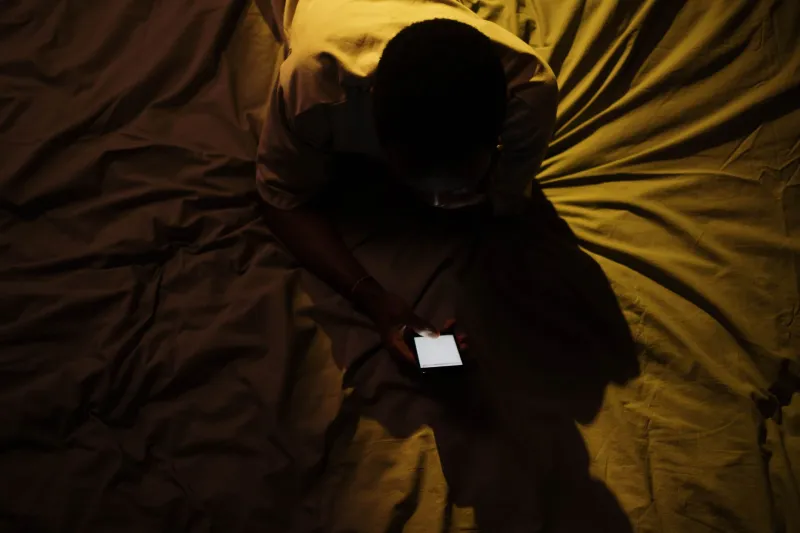
Picture the scene. It's 11:47pm. The rest of the household is asleep. The only light in the room is the warm, slightly accusatory glow of your phone screen. On it: a pokie that looks like a fairy floss factory exploded inside a rainbow. Neon pinks. Electric blues. Animations that practically vibrate off the display. A game that, in the harsh light of day, would look like it belongs at a school fete.
And yet here you are. In the dark. Completely alone. Spinning.
Welcome to one of the great unexamined contradictions of Australian online gaming — the Candy Casino paradox, if you will. The games are built for joy. The environments we play them in are anything but.
Designed for Daylight, Played in the Dead of Night
The candy aesthetic in modern pokies isn't accidental. Game developers spend serious money on colour psychology, visual hierarchy, and what researchers call "arousal design" — essentially, the science of making your brain feel excited before a single reel has moved. Bright, saturated colours trigger dopamine responses. Sugar-themed imagery borrows emotional associations from childhood. The entire visual language of a candy pokie is engineered to say: this is fun, this is safe, this is a treat.
But here's the thing about Australian online gaming habits: the data consistently tells us that peak play times sit firmly in the late evening bracket. We're talking 9pm through to 1am. By that point, the overhead lights are off, the partner is in bed, and the only thing standing between you and a bonus round is a phone screen set to 40% brightness so it doesn't wake anyone up.
The candy-bright visuals? They're still there. But the context they're landing in has shifted completely.
What Happens When the Sugar Rush Meets the Midnight Mood?
Here's where it gets genuinely interesting from a psychological standpoint. The emotional state most game designers are designing for — energised, playful, socially engaged — is almost the opposite of the emotional state most late-night players are actually in.
By midnight, the average Aussie player is tired. They might be decompressing after a long shift, unwinding after the kids finally went down, or simply filling the quiet space that exists between dinner and sleep. That's not a criticism — it's just reality. And it means the candy aesthetic is doing something slightly different to what it was built for.
Rather than amplifying an already-cheerful mood, those bright visuals are landing on a brain that's operating in a lower-stimulation state. Some players report that the contrast actually feels more intense at night — like watching a fireworks display in a blackout. The colours pop harder. The animations feel more vivid. The sensory experience is, paradoxically, heightened by the surrounding darkness.
Others find the opposite happens. The sugary visuals start to feel disconnected from how they actually feel, creating a kind of emotional dissonance. You're watching cartoon lollies bounce across the screen, but internally you're running on empty. The cheerfulness of the game and the quiet exhaustion of the player stop talking to each other.
The Isolation Factor: Playing Alone in a Game Designed for Celebration
There's another layer worth peeling back here, and it's a cultural one. Pokies — whether at a physical pub or in an online casino — have historically been social experiences in Australia. You'd sit next to a mate at the RSL, have a parmy on the table, and groan together when the reels came up empty. There was a shared dimension to it, even when the game itself was solitary.
Late-night online gaming strips that away almost entirely. You're alone with the screen. The candy casino's visual language — which borrows heavily from communal, celebratory imagery like lolly bags at birthday parties, fairy floss at the Easter Show, sweets shared among mates — suddenly exists in a context that's fundamentally private and isolated.
This isn't necessarily a bad thing. Plenty of players actively prefer the quiet, solo experience. There's something genuinely enjoyable about having the whole session to yourself, no commentary required. But it does mean the social warmth embedded in the candy aesthetic has nowhere to land. You're essentially celebrating alone.
Does the Candy Aesthetic Lose Its Power After Midnight?
Honestly? Probably a little — but not entirely, and not in the ways you'd expect.
The playfulness of a well-designed candy pokie doesn't disappear just because you're playing it in your dressing gown with the sound turned down. What does shift is the function the aesthetic serves. During the day, those colours and animations are genuinely stimulating. At midnight, they become something closer to comfort. Like leaving the telly on in the background, or the familiar smell of a childhood snack. The candy visuals stop being exciting and start being soothing.
Which, depending on your perspective, is either a beautiful accident of game design or a slightly concerning psychological loop. Maybe both.
What's worth paying attention to — and this is where the Strategy & Tips crowd might want to lean in — is how your actual mood at any given session affects the decisions you're making. A tired, isolated player spinning a hyper-stimulating candy pokie at midnight is operating with a very different risk tolerance and decision-making capacity than the same player at 7pm after a good day. The game hasn't changed. You have.
Flipping the Paradox: Using It to Your Advantage
If you're a regular late-night player, the candy paradox doesn't have to work against you. A bit of self-awareness goes a long way.
First, take note of how you're actually feeling before you start a session. If the gap between the game's cheerful energy and your internal state feels too wide, that's useful information. It might mean you're better served by a lower-volatility game that doesn't demand emotional investment in every spin.
Second, consider the environmental setup. A completely dark room with maximum screen brightness is a recipe for eye strain and a slightly unreal, floaty feeling that doesn't always lead to sharp decision-making. A bedside lamp, brightness dialled back, and a comfortable but alert posture makes a genuine difference.
Third — and this is the candy casino's actual secret — lean into the comfort function those bright visuals are accidentally providing. Let the colour and playfulness do their thing as a mood softener, not a stimulant. You're not trying to replicate the energy of a crowded gaming floor. You're having your own quiet, colourful moment at the end of a long day.
There's nothing wrong with that. In fact, it might just be one of the most distinctly Australian gaming experiences going.
Bright screens. Dark rooms. Candy pokies. The paradox is real — and honestly, it's kind of beautiful.